

Premium Rolex Replica Watches: Understanding Real 1:1 Clone Accuracy
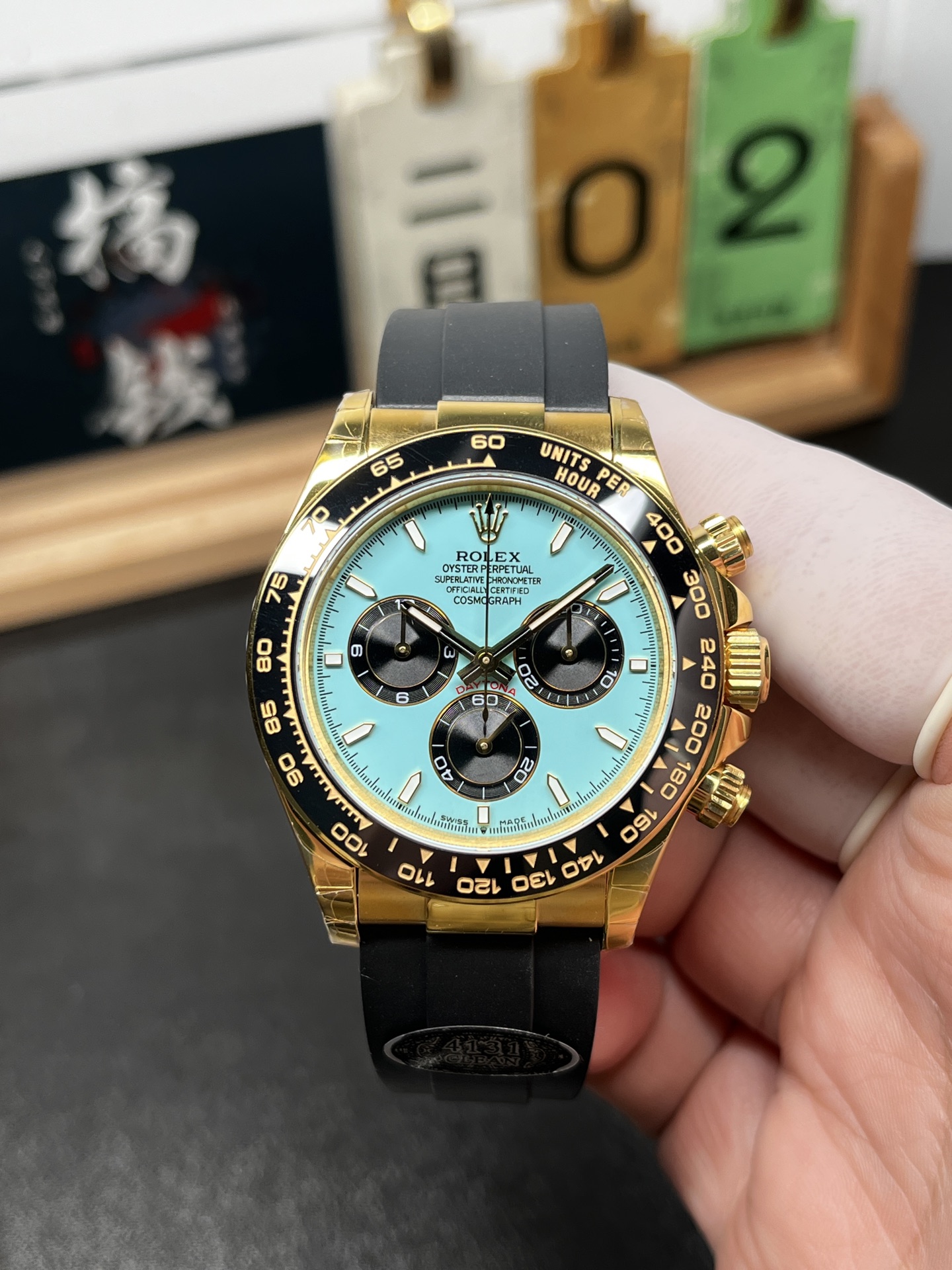
The term Rolex replica is often used loosely online, but in reality, not all replicas are built with the same intent or standard. Some focus only on surface appearance. Others aim much higher, trying to recreate the proportions, feel, and behavior of the original watch as closely as possible.
This article is written from a practical point of view. Not marketing language, not factory claims—just a clear explanation of how premium replicas are actually made, where the differences appear, and which details tend to matter most once the watch is worn regularly.
What “Premium” Really Means in a Rolex Replica
A premium Rolex replica is not defined by a single feature. In practice, it’s the result of many small decisions made during design and assembly. Case thickness that is half a millimeter off, a crown that sits slightly too high, or a bracelet that feels hollow—these are the things experienced buyers notice almost immediately.
Lower-tier replicas can look convincing in photos. On the wrist, over time, the illusion usually fades.
The 1:1 Clone Concept, Explained Honestly
When sellers talk about a “1:1 clone,” they are usually referring to physical accuracy rather than perfection. The goal is not to copy a brand’s history, but to match the original watch in dimensions, layout, and user interaction.
- Case diameter, thickness, and lug shape are measured against genuine samples
- Crown position and tube height are engineered to align correctly with the dial
- Bezel rotation and clasp action are tuned to feel familiar, not loose or sharp
On paper, these may sound like minor points. In daily wear, they are often the difference between a watch that feels convincing and one that doesn’t.
Where Accuracy Becomes Obvious
Case, Bezel, and Bracelet
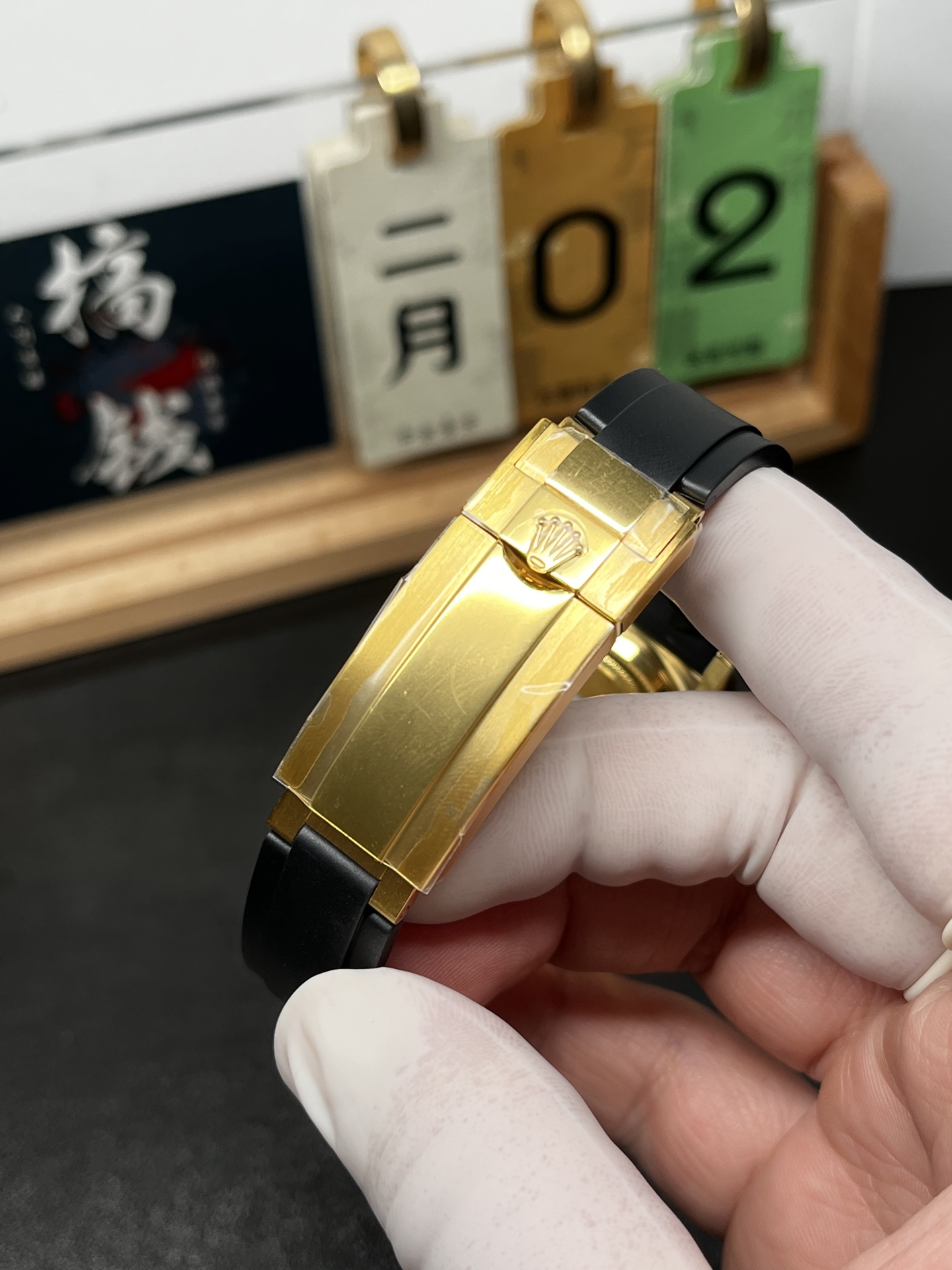
Most premium builds use 904L or high-grade 316L stainless steel. That choice alone doesn’t guarantee quality, but it allows for more accurate finishing and proper weight distribution.
From experience, bezel feel is one of the quickest giveaways. A properly engineered bezel clicks with intention. Cheap ones feel either soft or overly stiff, with no consistency.
Dial Details and Lume Application
Collectors tend to obsess over dials, and for good reason. Text alignment, marker spacing, and lume color are all areas where shortcuts are obvious once you know what to look for.
Many buyers don’t notice uneven lume immediately. After a few weeks of wear, especially at night, it becomes impossible to ignore.
The Movement Inside the Watch
Movement choice is one of the most misunderstood topics in the replica world.
Clone movements are designed to match the appearance and layout of genuine Rolex calibers. They look correct through the caseback and maintain proper hand positions. However, long-term durability can vary depending on manufacturing quality.
Some collectors actually prefer proven base movements. They may sacrifice visual accuracy, but gain easier servicing and predictable reliability. There is no universal “best” option here—only trade-offs.
Common Misconceptions About 1:1 Rolex Replicas
One common misunderstanding is that 1:1 automatically means flawless. It doesn’t.
Another assumption is that clone movements are always superior. In reality, many experienced owners choose stability over visual authenticity, especially for daily wear.
Price is also misleading. A higher price does not always reflect better assembly or inspection. Quality control matters more than advertised specifications.
Quality Control and Final Checks
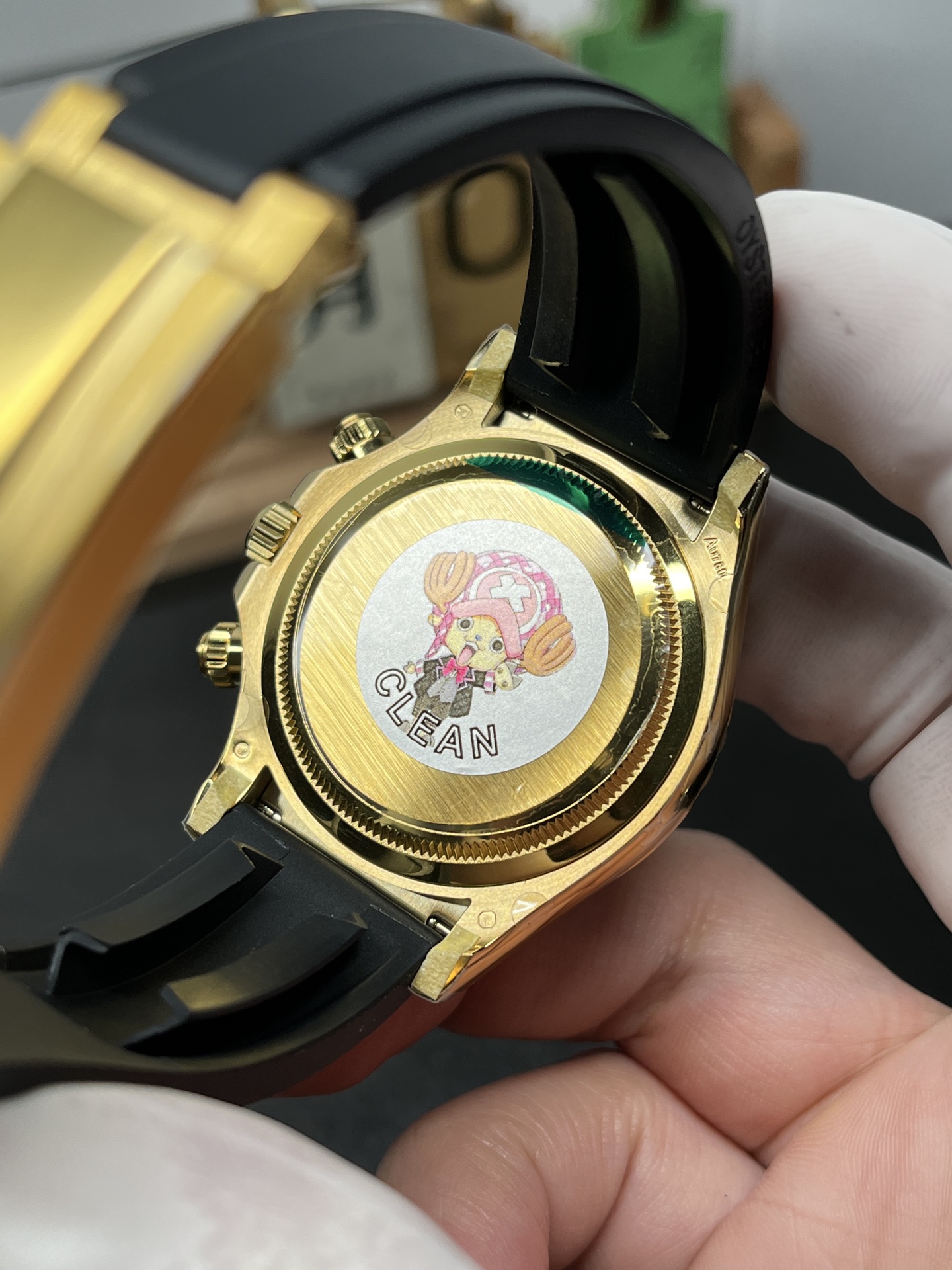
Reputable sellers usually perform multiple inspections before shipping. This often includes timegrapher testing, visual inspection under magnification, and functional checks of the crown, bezel, and date mechanism.
Water resistance claims should be viewed conservatively. Even well-built replicas are best treated as splash-resistant unless professionally tested.
Who Buys Premium Rolex Replicas?
The audience is more diverse than many assume. Some buyers already own genuine watches. Others simply appreciate the design and want a solid, wearable alternative.
What they tend to share is attention to detail. Once you notice these differences, it’s difficult to go back.
Final Thoughts
A well-made Rolex replica succeeds not because it looks right in photos, but because it feels right over time. Accurate proportions, balanced weight, and consistent operation are what define a premium build.
Understanding how these watches are constructed allows buyers to evaluate them realistically, without relying on exaggerated claims or labels.
This article is provided for informational purposes only. Buyers should ensure compliance with applicable local laws and regulations.
Frequently Asked Questions
It refers to dimensional and structural accuracy. Premium replicas aim to match genuine models in case size, thickness, component layout, and user interaction rather than claiming perfection.
Most premium builds use 904L or high-grade 316L stainless steel and sapphire crystals, closely matching the materials used in genuine watches.
Clone movements replicate layout and function, but durability varies by manufacturer. Many operate within ±5–15 seconds per day after regulation.
No. Even premium replicas are typically tested only for basic pressure resistance and should be treated as splash-resistant unless professionally sealed and tested.
Not necessarily. Quality control and assembly standards matter more than price alone. Two watches at similar prices can differ significantly in finishing.
Buyers range from watch enthusiasts and collectors to individuals seeking a reliable daily or travel watch without exposing genuine pieces to risk.